Estonian digital and machine learning solutions provide strong potential for improving Ukraine’s energy market

A joint Estonian-Ukrainian effort to strengthen Ukraine’s energy security has shown the potential of Estonian digital and machine learning solutions to improve Ukraine’s infrastructure analysis, asset management and data-based regulatory oversight.
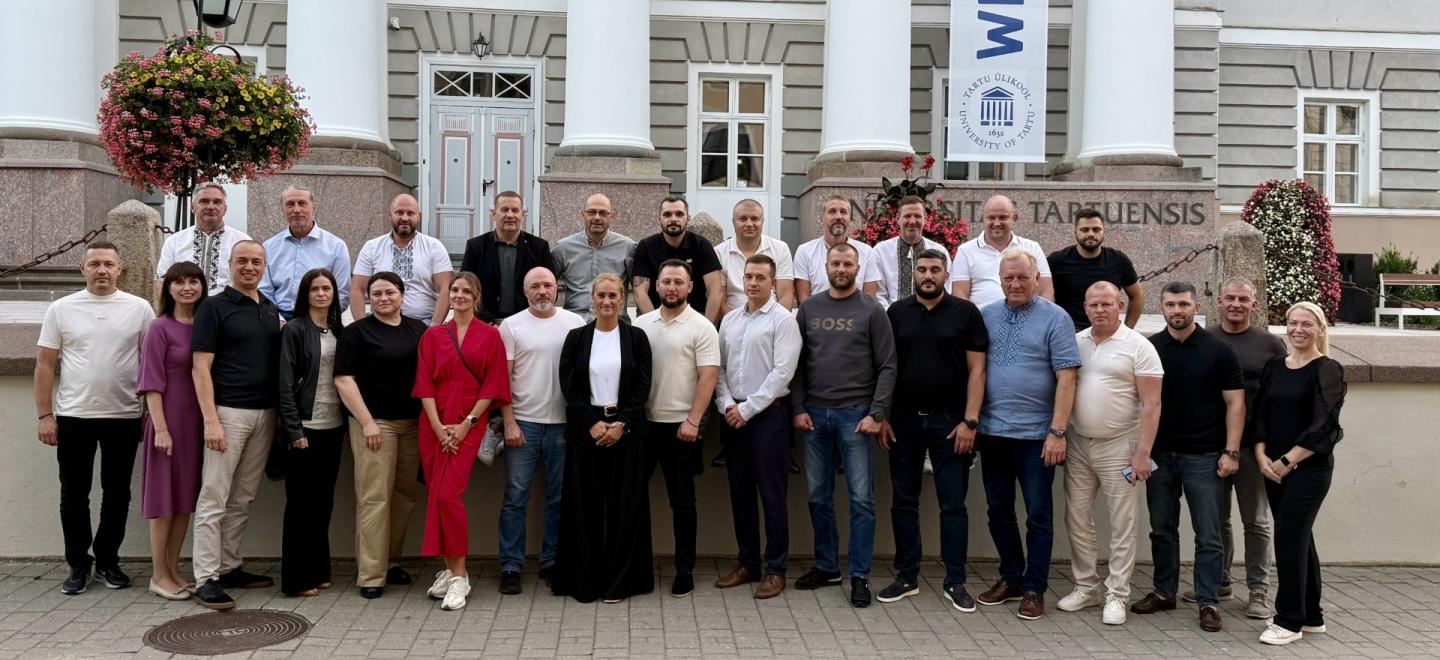
This week, representatives from Ukraine’s National Energy and Utilities Regulatory Commission (NEURC) and the state-owned electricity transmission system operator UKRENERGO visited Estonia to discuss lessons learned from the project’s completion and the potential for future collaboration with the Estonian Centre for International Development (ESTDEV) and the Estonian power grid inspection company, Hepta Insights.
According to both NEURC and UKRENERGO the project was integral to updating energy infrastructure inspection in Ukraine. “The project became an important practical milestone in shaping a modern model for ensuring the resilience of energy infrastructure under hybrid and physical threats,” said Andrii Terentiev, UKRENERGO’s Economic Threat Monitoring Group’s leading specialist.
Hepta Insights provided AI-powered grid inspection software to enable faster inspection cycles, find defects more easily and reduce overall inspection costs.
“The implementation of such digital solutions could gradually improve the way market operators collect, process and analyse infrastructure-related data. At the same time, the project demonstrated that the practical introduction of such functionality requires further technical development, reliable access to relevant data and continued coordination between stakeholders,” said Svitlana Kozyrenko, NEURC’s chief specialist for the Department of Strategic Development and International Coordination.
One of the key stumbling blocks encountered during the project was the restriction on airspace use, which directly affected the ability to deploy UAVs for monitoring. “Restricted airspace became one of the main challenges for infrastructure scanning and significantly affected the ability to collect sufficient data for comprehensive system analysis. This experience clearly demonstrated the need for more flexible, hybrid approaches. It also showed that digital solutions developed for peacetime conditions require substantial adaptation for use in wartime environments,” said Kozyrenko.
Despite this setback, both Estonian and Ukrainian counterparts are interested in continuing cooperation in the future. “The project confirmed the importance of continued Estonian–Ukrainian cooperation in the digitalisation of the energy sector and infrastructure monitoring. Estonia’s expertise in digital governance, public sector innovation and European integration complements Ukraine’s practical experience in maintaining resilient critical energy infrastructure under wartime conditions. Continued knowledge and experience sharing between Ukraine and Estonia will support the development of more adaptive, resilient and efficient digital solutions aligned with Ukraine’s strategic priorities and EU integration goals,” said Terentiev.
“Russia’s reckless attacks on Ukraine’s energy infrastructure have made daily life difficult for Ukrainians, but with the support of like-minded partners, it is possible to overcome these challenges. Estonia is committed to supporting Ukraine and is sharing its expertise to ease the burden on Ukrainians and contribute to their journey toward EU accession,” said Eva-Maria Liimets, ESTDEV’s programme manager for Democracy and Rule of Law.
Related articles