3,000 Ukrainian prison officers to benefit from updated training materials developed by Estonian experts
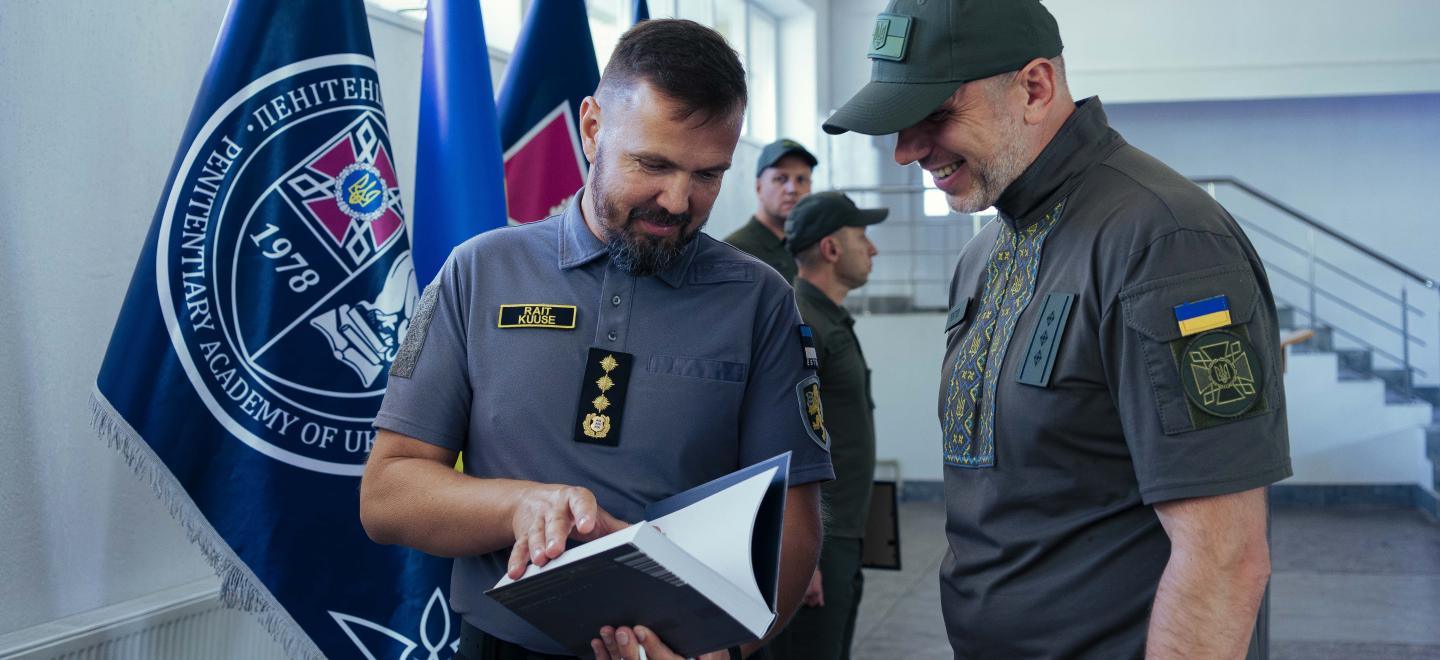
The handbook and curriculum for prison officers, developed under the guidance of Estonian colleagues, support the modernization and development of prison education in Ukraine.
The book, “Core Correctional Skills,” was produced as a result of an ongoing project between the Estonian and Ukrainian prison services to achieve better alignment with European Union standards. This text is widely recognised worldwide as one of the most influential in the field. The Ukrainian-language edition marks a significant step forward in the development of modern correctional education in Ukraine.
"Meetings with Ukrainian colleagues once again confirmed how important it is to maintain cooperation even in the most difficult times. The people of the Ukrainian prison service do their daily work in conditions of war, while suffering very heavy losses. It is important for us to be by their side with both professional cooperation and knowledge sharing, as well as human support. The completion of the Ukrainian-language correction manual is a good example of how something practical and long-term comes out of our cooperation," said Rait Kuuse, the deputy secretary general of the Estonian Prison Department at the Ministry of Justice and Digital Affairs.
As part of the project a new basic curriculum for prison officers studying at the Academy was also developed. It takes into account Estonian experience and applies the principles of outcome-based education. The curriculum lays a solid foundation for preparing future correctional officers and represents an important step toward modernising prison education in Ukraine.
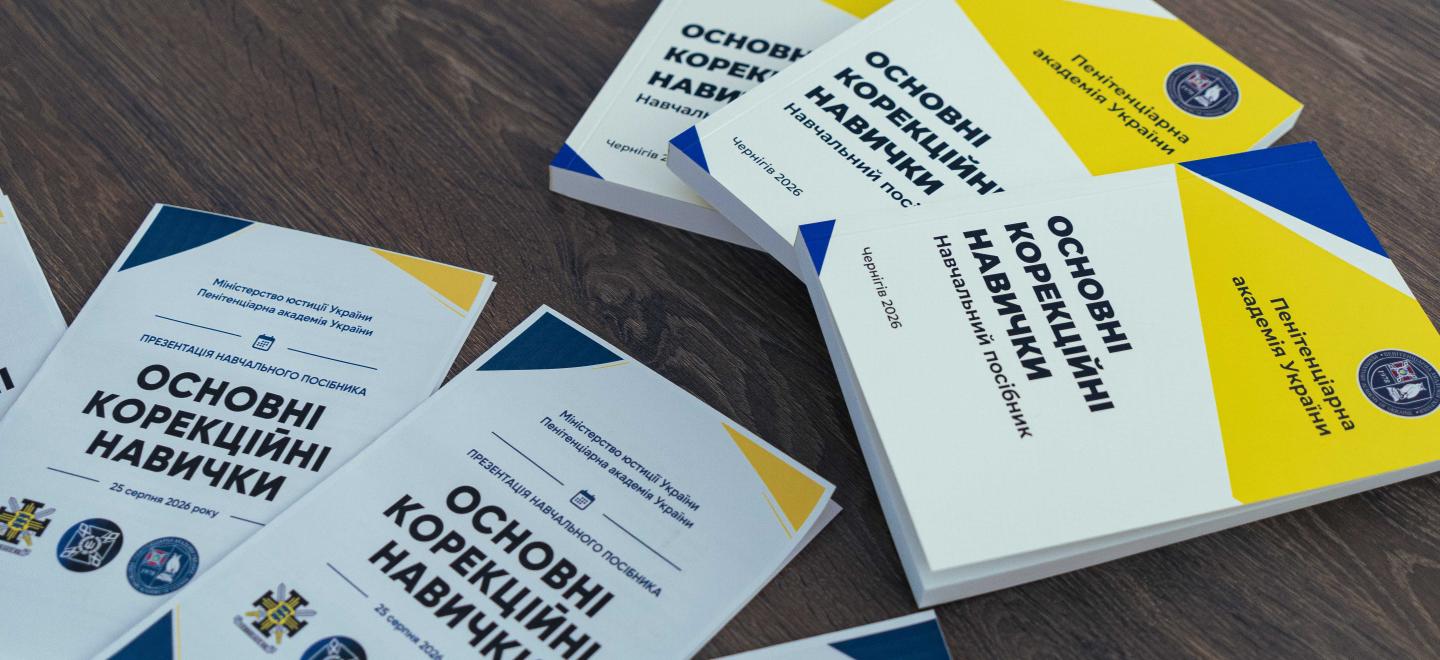
Handbook for Ukrainian prison officers. Photo: Estonian Prison Service
“True European integration goes beyond legislation, it takes root in fundamental institutional reform. Having navigated our own transition in Estonia, we know that building a modern, human-rights-focused prison service requires empowering the people on the frontlines. Through this partnership, we aren't just sharing our reform experience with Ukrainian officers, we are helping create a sustainable training system that will reach thousands of personnel, strengthen the rule of law, and support Ukraine on its path toward the EU,” said Andrea Kivi, ESTDEV’s Executive Director.
The European Commission’s 2024 enlargement package report on Ukraine noted that while some legal reforms have been made and the conditions of individual prisons have improved, torture and ill-treatment remain serious concerns in Ukrainian prisons.
Since April 2025, the Estonian Centre for International Development (ESTDEV), together with the Estonian Prison Service and the Estonian Academy of Security Services, has been supporting Ukraine’s EU integration efforts through the reform and enhancement of the training system for Ukrainian prison officers.
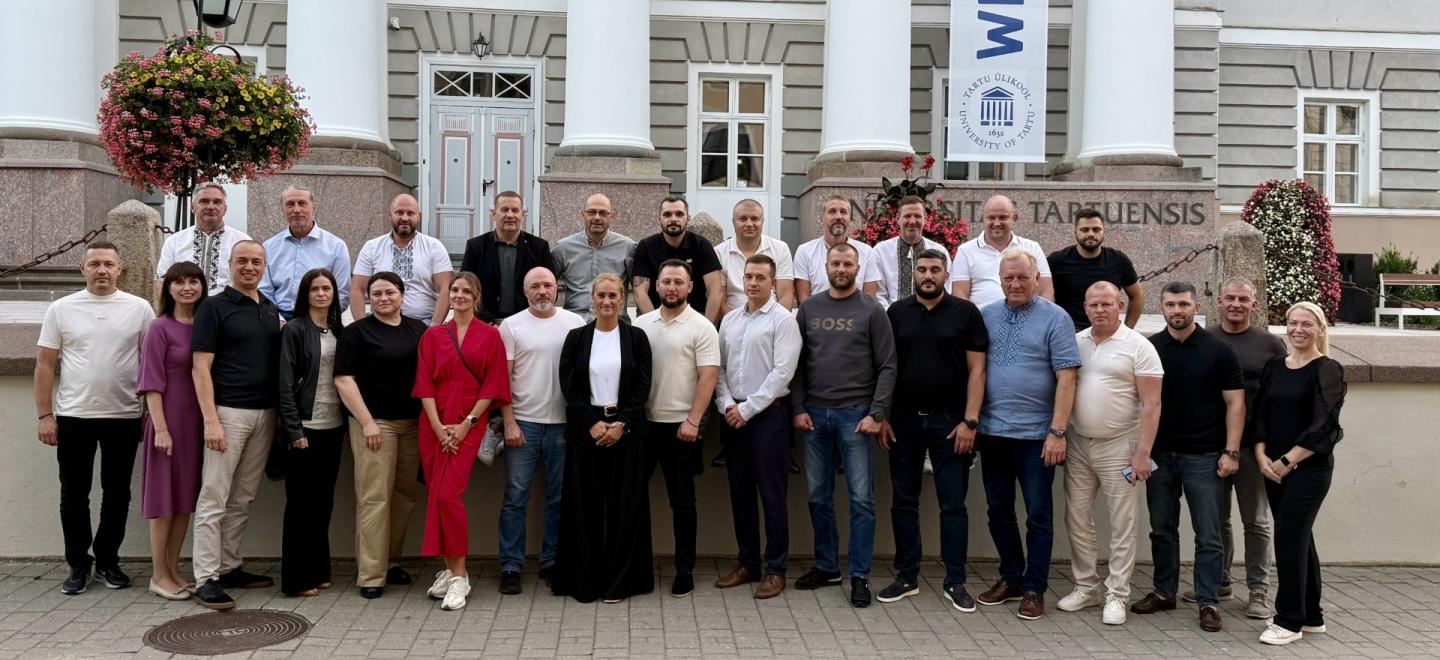
A total of 64 Ukrainian prison officers and academy staff are participating in the project, 24 of which are in leadership positions. Participants will undergo comprehensive training programmes, but the project's impact extends far beyond these individuals. Up to 3,000 prison officers participate in studies and training programmes at Ukrainian academies each year and this project will influence what they learn for years to come.
A key aspect of the project, which runs until November 2027, is sharing Estonia’s reform experience with Ukrainian partners, developing training materials and integrating theory with practice through practical training sessions in Estonian prisons.
“We sincerely thank the Government of Estonia, the Estonian Ministry of Justice and Digital Affairs, and the Estonian Prison and Probation Service for their steadfast support to Ukraine and their continued commitment to our partnership. Estonia’s successful experience in prison reform and its innovative, practice-oriented approach to the professional training of penitentiary staff provide valuable guidance for the modernization of penitentiary education in Ukraine. This cooperation is an important contribution to aligning our training programmes with European standards and advancing Ukraine’s European integration,” said Serhii Hrechaniuk, the rector of the Penitentiary Academy of Ukraine.
Related articles