“We have a lot to learn from our Estonian counterparts”: Moldovan agriculture reforms inspired by Estonian experience

Summary
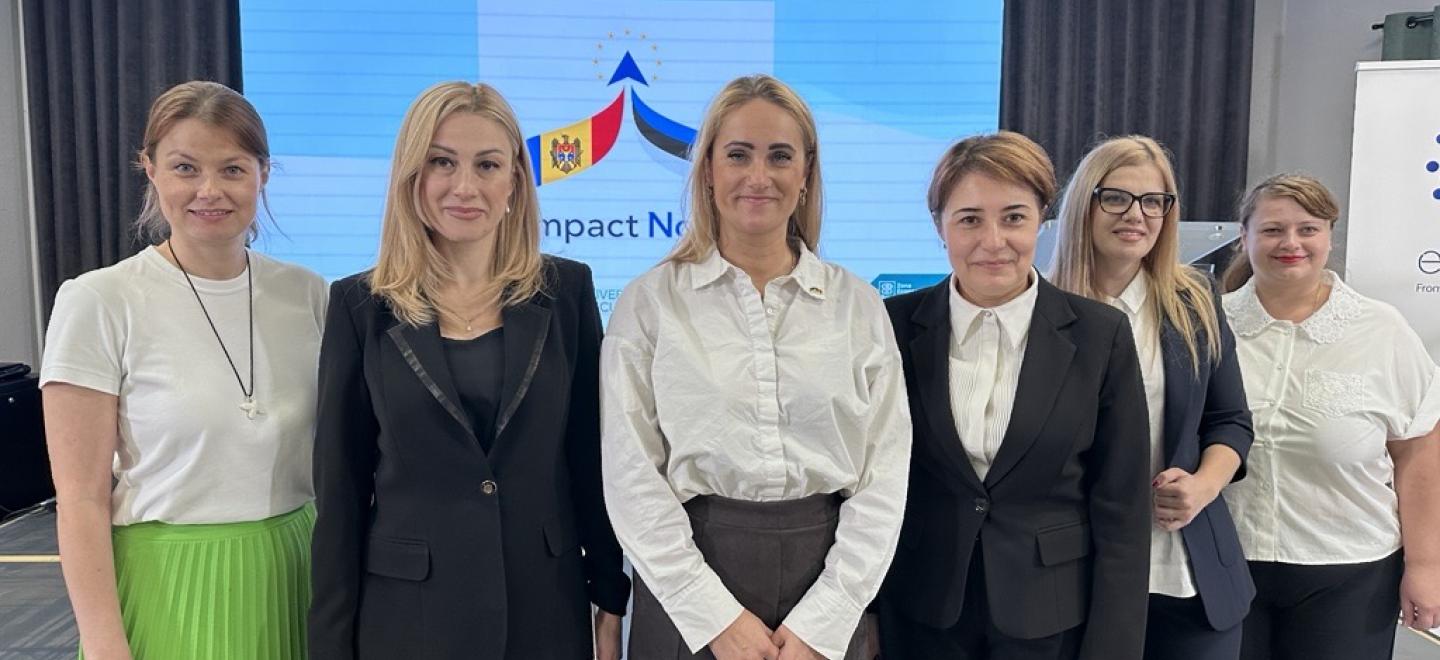
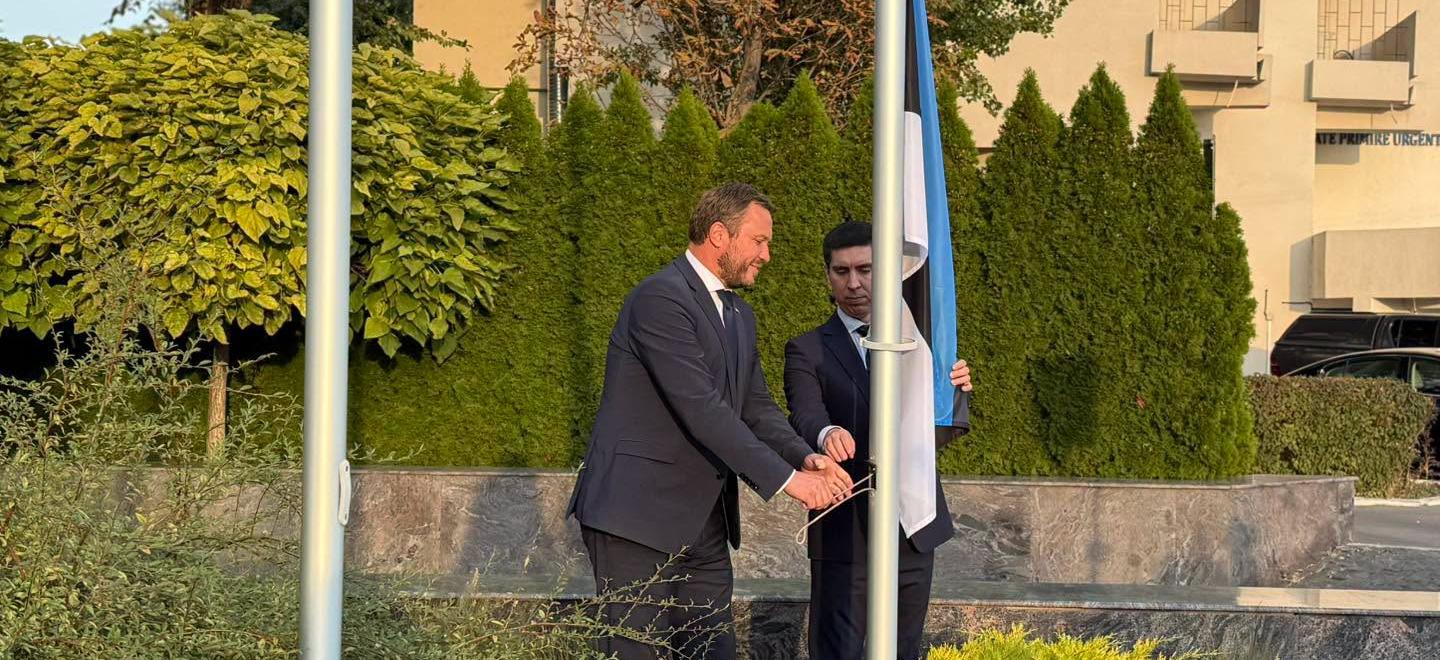
As part of an EU Twinning project designed to bring Moldova’s agrifood public financing system in line with EU standards, a delegation from Moldova visited Estonia to observe firsthand Estonian innovation in the agriculture and payments sector.
The Twinning project has provided a framework for Moldovan policymakers to work with their Estonian counterparts and learn from Estonia’s experience implementing agricultural reforms in preparation for EU accession.
With funding from the European Union and support from the Estonian Centre for International Development (ESTDEV) and various Estonian and Dutch agricultural experts, Moldova will map out a reform agenda aligned with national priorities and EU requirements. As part of these reforms, Moldova aims to use digitalisation to alleviate labour shortages and streamline the payment process for farmers.
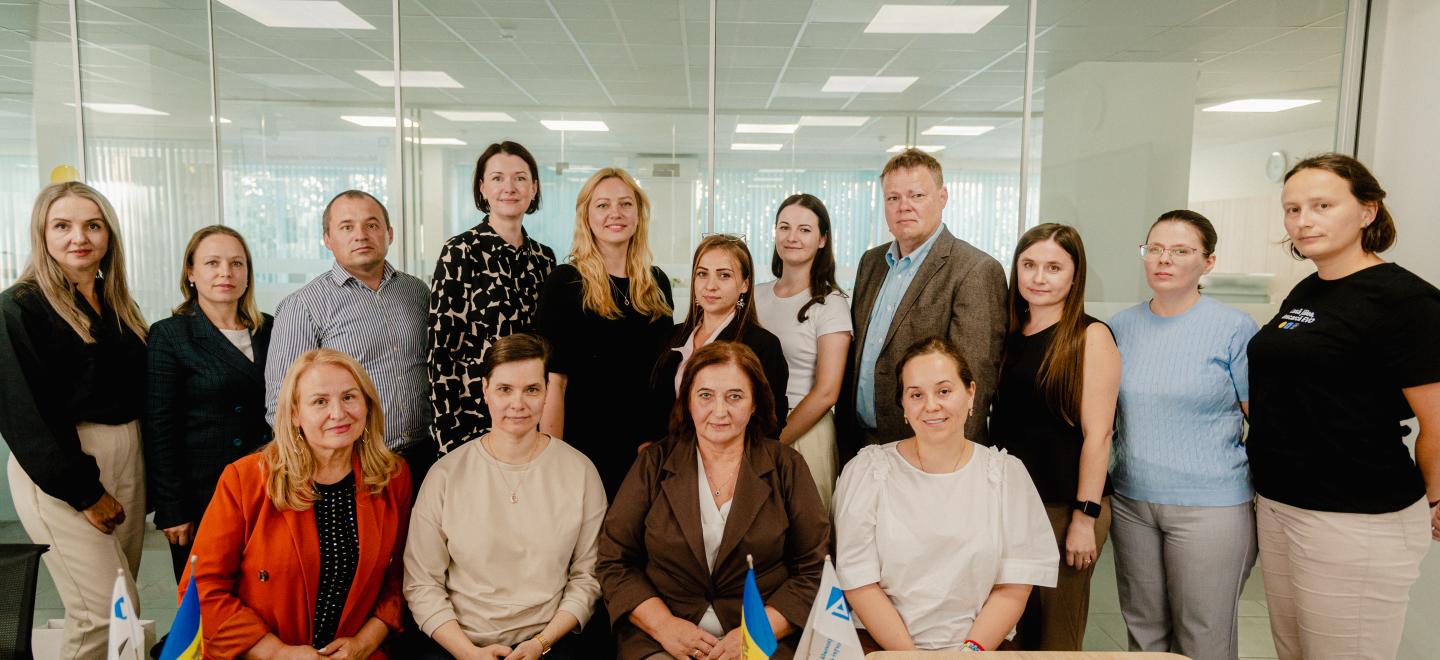
This study visit gave Moldovan decision-makers the opportunity to engage directly with the institutions responsible for agricultural policy, research and payment administration, helping to translate European standards into practical solutions that can benefit farmers and rural communities. In addition to meeting with representatives from Estonia’s Ministry of Regional Affairs and Agriculture during the study visit, the group met with officials at the Centre of Estonian Rural Research and Knowledge (METK) facilities in Saku and Jõgeva and the Tartu headquarters of the Agricultural Registers and Information Board (PRIA).
“Estonia's experience with EU accession and agricultural reform offers valuable lessons for Moldova, and this study visit provided an opportunity to see those reforms in practice. What has been particularly encouraging is the strong partnership that has developed between Estonian and Moldovan institutions. The commitment and engagement shown by our Moldovan colleagues give confidence that the knowledge exchanged through this project will support lasting reforms and Moldova's European integration ambitions,” said Agnes Naarits, the resident Twinning advisor from METK.
Q & A with the secretary general of the Moldovan Ministry of Agriculture
During his visit to Tallinn, ESTDEV sat down with Sergiu Gherciu, the secretary general for the Moldovan Ministry of Agriculture and Food Industry (MAFI), to discuss Moldova’s experience working with Estonia through the Twinning mechanism.
How would you describe the current state of Moldova's agriculture sector?
Sergiu Gherciu: The agriculture sector is one of our main economic activities in Moldova. It employs more than 20% of our rural population. The government takes it as priority, and the main goal for agriculture is European integration. We faced a lot of challenges in the last four years, starting with the war in Ukraine, then with climate change, drought is becoming more frequent. The events in the Persian Gulf also affect our farmers with price of the fuel, the price of fertilizers.
So those challenges are affecting us, but we try to see them as an opportunity for development. For example, three times Russia put an embargo on our wine sector. It's one of our pioneer sectors in agriculture, and it hurt a lot. But at the same time, we adapted with help from our partners. We are producing right now great quality wine, and we export to more than 70 countries around the world.
What are some of the most important lessons that Moldova has experienced in this cooperation with Estonia?
SG: We were looking for a long time to collaborate with Estonia, especially in agriculture sector, because we are similar in size and population. I would say we have a shared past, not the happiest past, but we have a similar mindset so we can understand each other.
Estonia is one of the pioneers in digitalisation, and these days digitalisation is important to mitigate those challenges starting with shortage of labour, with reducing the inputs for agriculture—diesel, fertilizers, and other things—and to have precise agriculture that brings more yield than normal. So, that's why we thought Estonia can help us with those challenges with this Twinning.
As a result of this project, what is expected to change from the perspective of a regular Moldovan farmer?
SG: At this stage we have collaboration on the side of public institutions, ministry to ministry and payment agency to payment agency. The ministry and payment agency will be more flexible, more knowledgeable, quicker, and a more reliable partner to farmers than it was before this collaboration.
In the short term, how does it impact the working of the ministry or of the public agencies?
SG: First, we try to learn from Estonian experience. One of the goals as I mentioned is digitalisation, because we face the challenge of shortage of labour. Second, we are working with the Twinning project to have the accreditation of our agency for pre-accession fund.
Our country is not rich, so to have full alignment with European standards, our sector needs a boost, and of course the European Union can help with this boost. That's why the accreditation of the payment agency is important. We're glad that we are working with Estonia that is, from our perspective, one of the best examples in European Union.
Has the experience so far with the Twinning mechanism been positive?
SG: Absolutely. We have a lot of training courses from Estonian counterparts starting with ministry, with payment agency, with research institute, METK. This is good because we always say money is important, but money without knowledge is nothing.
That's why we count on knowledge of Estonia and experience of our Estonian counterparts. This study trip that we are on here with our colleagues is important, so we can see with our eyes how things work here.
Is there anything in particular that you're interested in seeing during the study visit?
SG: To see how research is organised, because when you have a big country it's a different situation than when you have a small country like Moldova or Estonia. I would like to see how you transfer knowledge to farmers in rural areas and not in some central region that they have easy access. I do think digitalisation helps, but I would like to see in practice how it works in Estonia. Second thing is the payment agency. We would like to see how digitalisation in payment works. We're still working on paper, and this is not good for us, because it's wasting taxpayer money and time that is crucial for farmers.
Human resources are the most valuable. Estonia has good experts. They can show us some examples, and in next few days we have visits to Tartu and other regions, so I would love to see in practice how it goes.
What are the next steps following the completion of the project in early 2027?
SG: We have a lot of recommendations from the Twinning project. Some of them we already achieved; some of them we still need to work on. Regulations should be changed, and this is not easy. To write a draft is the easy part, but to go through all the procedures it's a bit longer. After finishing the Twinning project, we will have the action plan that we should do step by step to achieve the goals that were set from the beginning.
We are grateful for this collaboration with Estonia; they are very open, very smart people. We have a lot to learn from our Estonian counterparts. I think they are the best in region in Europe in digitalisation and there are many good things that we can take and implement back home. We are a small country, but with big heart. We should help each other to mitigate all these crises and become part of the European family. This is really the main goal. When you have such a good partner as Estonia, this is one of the signs that you are accepted in the European family.
Once again, thanks to the Estonian people for hosting us. We feel very grateful to be here.
Interview edited for length and clarity.
Related articles