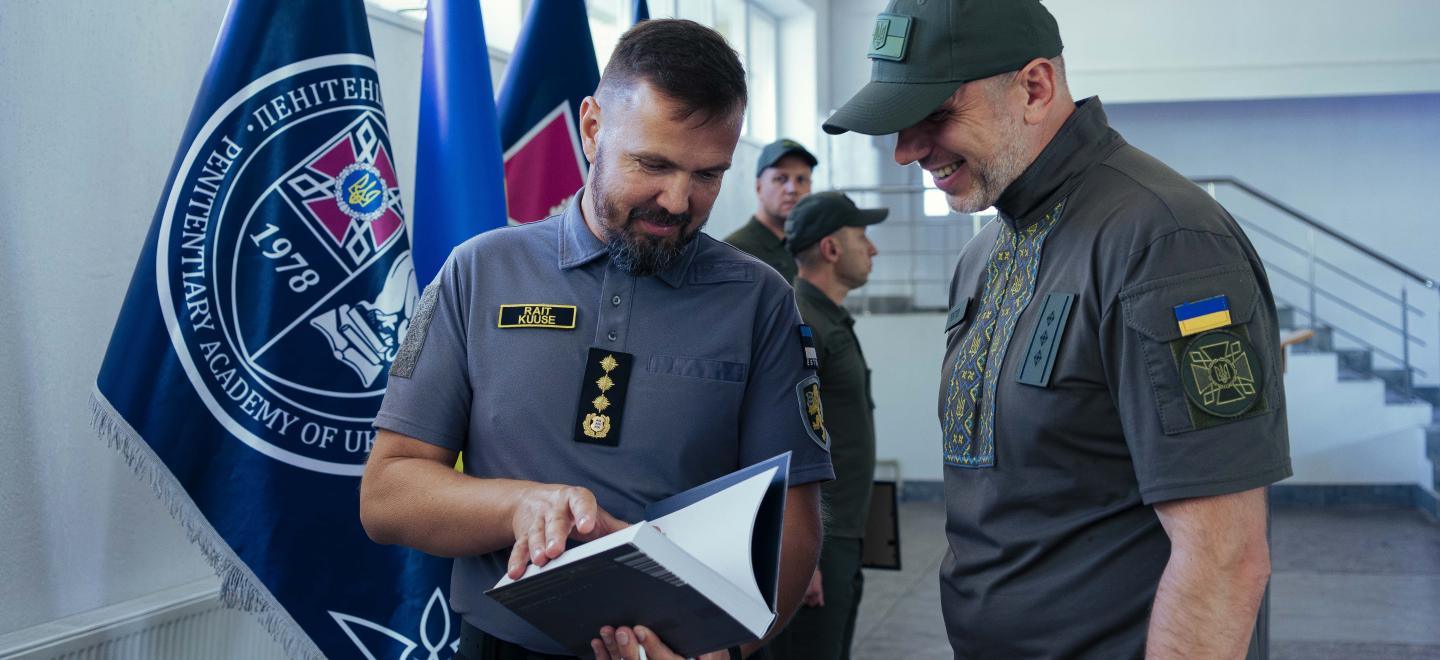
Estonia-led training programme reaches 50,000 law enforcement officers in Ukraine
To strengthen Ukraine's internal security and support reforms, leaders from the Estonian police force shared practical knowledge and experience on managing a modern law enforcement system.
Tarvo Kruup, the prefect of the Eastern Prefecture of the Police and Border Guard Board (PPA) and one of the project leaders, stated that the programme has been successful and highly valued by Ukrainian partners. “It aims to support the Ukrainian police in their reforms, strengthen internal security and democracy, and assist local police leaders with practical management knowledge,” he said.
“We want to support Ukraine's aspirations towards the European Union, and this requires a strong police force where decisions are transparent and understandable to the public. The Estonian police have experience with the reforms we undertook to join the European Union and NATO. The Ukrainian police now face similar requirements in their own efforts, and the project aims to share our experience using the Estonian example,” said Kruup.
Andrea Kivi, the executive director of the Estonian Centre for International Development (ESTDEV), noted that even during a full-scale war, Ukraine must continue reforming its state institutions. “A strong, professional police force operating to European Union standards is a crucial part of this,” she said. “Estonia can support Ukraine on this journey with its experience and practical knowledge. ESTDEV's mission is to help Estonian expertise and experience reach the places where they are needed most. These reforms strengthen the Ukrainian state today and are simultaneously a vital part of Ukraine's path to the European Union.”
The Ukrainian police officers who participated in the training see it as an opportunity to improve the entire law enforcement sector. They cited needing support with strengthening leadership, reducing bureaucracy, improving internal communication and implementing digital solutions.
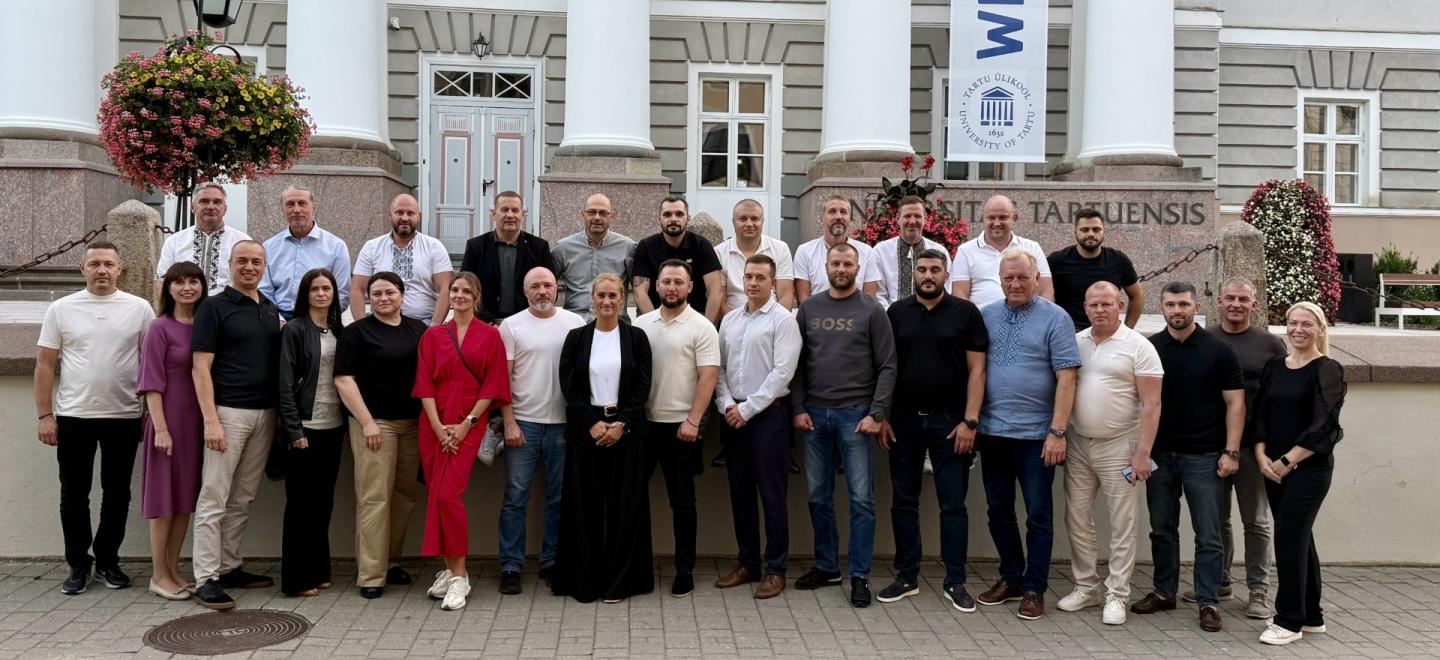
As part of the project, which began last August, six groups of Ukrainian police leaders visited Estonia. In total, 83 senior and mid-level managers from the National Police, the Patrol Police and police academies completed the programme. They oversee a combined workforce of nearly 50,000 law enforcement officers.
Each group completed a week-long training course in which experts from the PPA shared Estonia's experience in re-establishing a police force and implementing management reforms. Their Ukrainian colleagues received a comprehensive overview of how Estonia implemented modern management principles, organisational culture, internal control and future developments. They were also introduced to practical Estonian solutions, such as joint state service centres and the “Everyone Blows” campaign concept for random breathalyser checks.
Kruup added that the project benefits both sides. “This is not a standard training course where we simply instruct our Ukrainian partners. On the contrary, it is an exchange of experiences and a discussion; as Estonian police officers, we also gain a great deal from it. Our primary interest is to learn how they currently operate under crisis and wartime conditions, and what management decisions they have had to make to continue police work and ensure public safety in this situation,” he said.
This is the second time this training programme has been held. The first ran from 2023 to 2025 and trained 34 police leaders. In total, more than 100 Ukrainian police leaders have participated in the project. The current programme concludes in June 2027.
Related articles